
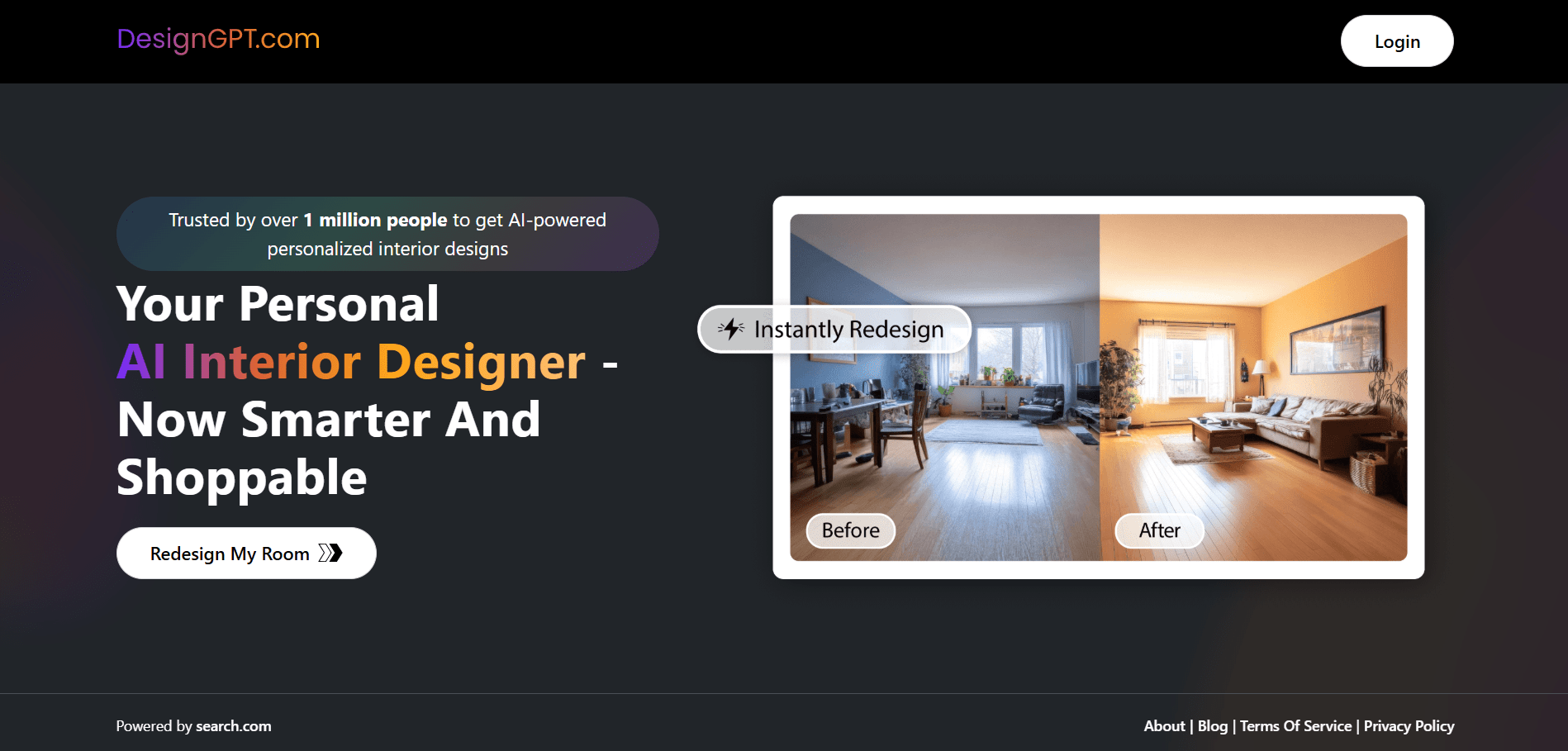
Most people don’t struggle with decorating because of taste. They struggle because they can’t visualize the result before buying furniture. That is exactly the gap AI interior designer tools like DesignGPT.com fill. You upload a photo of your room and get realistic concepts showing layout, colors, and furniture ideas within seconds.
This guide explains how it works and how to use it properly so you avoid wasting money on decor that looks good only in your head.
What AI Interior Design Actually Does?
AI interior design analyzes a room photo and rebuilds it digitally. The system identifies walls, lighting direction, floor space, and furniture scale. Then it generates styled versions of the same room.
Behind the scenes, most platforms combine:
- Image recognition for layout detection
- Trained design datasets for style generation
- Recommendation engines for furniture matching
Research from MIT CSAIL and NVIDIA visual computing labs shows computer vision models can accurately estimate spatial depth from a single image, which is why layouts now look realistic instead of flat renders.
How to Use Home AI Interior Design Correctly
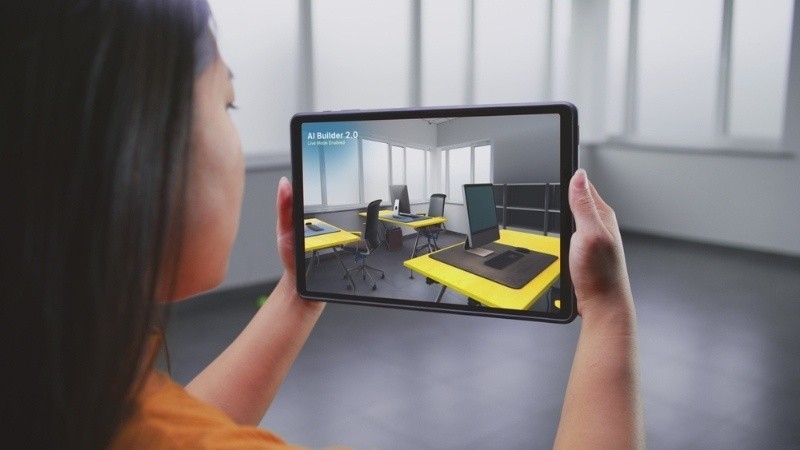
People usually upload one photo and pick the first result. That is why many rooms still look off in real life. Follow this instead.
Step 1: Take a clean photo
- Stand at eye level
- Include full walls
- Use daylight
Step 2: Generate multiple results
Use at least 8 variations. The value of home AI interior design comes from comparison, not the first image.
Step 3: Extract elements
Do not copy the full design. Pull specific parts:
- Color palette
- Furniture shape
- Lighting type
Step 4: Combine ideas
Most good rooms are hybrids of several outputs.
This approach turns inspiration into a plan instead of a guess.
AI Interior Design Tools Worth Using
Good AI interior design tools solve two problems. They show ideas, and they reduce purchase mistakes.
Look for tools that provide:
- Perspective-correct furniture placement
- Realistic shadows
- Multiple style options
- Item suggestions
Avoid tools that only create artistic renders. If the sofa size looks unclear, the result is decorative art, not a usable plan.
An effective AI interior design generator should help you answer one question: will this actually fit and look balanced in my room?
Common Mistakes When Using an AI Interior Design Generator
Some of the common mistakes that users make when using AI Interior Designer are as follows:
Copying the image exactly
Generated images often contain extra decor. Real homes need breathing space. Remove around one-third of accessories.
Ignoring walking space
AI shows visual balance, not human comfort. Leave at least 30 to 36 inches for movement in living areas, a guideline recommended by interior planning standards such as NKBA residential spacing rules.
Overtrusting color tones
Lighting in renders is controlled. Always test paint samples physically.
When Home AI Interior Design Helps the Most
Best use cases:
- Renting and upgrading cheaply
- Rearranging existing furniture
- Choosing wall colors
- Planning small living rooms
Less useful for:
- Construction changes
- Electrical placement
- Built-in cabinetry measurements
Think of it as a planning assistant, not a contractor.
Why People Prefer AI Interior Design Tools Now
Traditional process:
- Imagine ideas
- Buy items
- Hope it works
AI process:
- Preview the result
- Refine choices
- Buy confidently
The difference is risk reduction. Studies on consumer purchase behavior show visualization significantly lowers return rates in furniture retail. Seeing the room first prevents expensive mistakes.
Practical Example
Say you have a small living room with a dark sofa. You upload a photo into an AI interior design generator.
You create three styles:
- Warm modern
- Minimal Scandinavian
- Neutral contemporary
You notice:
- Lighter rugs make the room larger
- Floor lamps soften corners
- Slim-leg furniture improves space flow
Instead of replacing everything, you buy a rug and lighting. That is the real benefit of home AI interior design. It guides decisions rather than replacing them.
Final Takeaway
AI interior design is useful when you treat it as a testing environment. Generate many options, compare them, and apply only what improves the space functionally. Good design comes from selection, not imitation.
Used correctly, AI interior design tools do one thing very well. They help you see the result before spending money. That alone makes decorating faster, cheaper, and far less frustrating.